The Poolside Outfit Fabric Guide for Avoiding the Wet-Cling Surprise
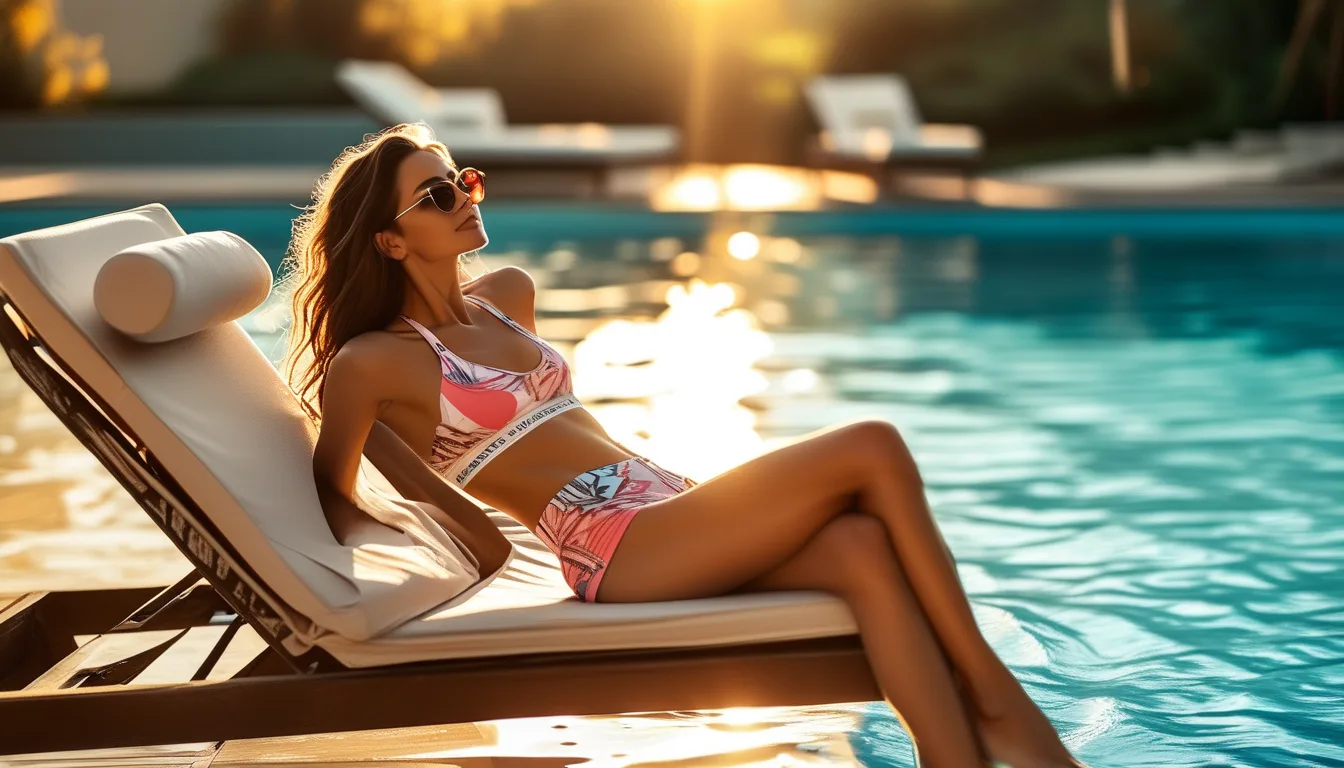
Quick Answer: Fabrics with higher synthetic content (polyester, nylon) and some added structure or texture generally resist water-clinging far better than soft, flowy natural-fiber-heavy fabrics like rayon or viscose, which absorb moisture and lose their loft quickly — checking the fabric composition label before a poolside purchase, not just how the piece drapes dry, is the most reliable way to predict how it will actually behave once splashed.
A poolside outfit’s dry drape is a genuinely unreliable predictor of how it’ll behave once water gets involved, and knowing which fabrics resist that shift makes shopping for poolside pieces far less of a guessing game.
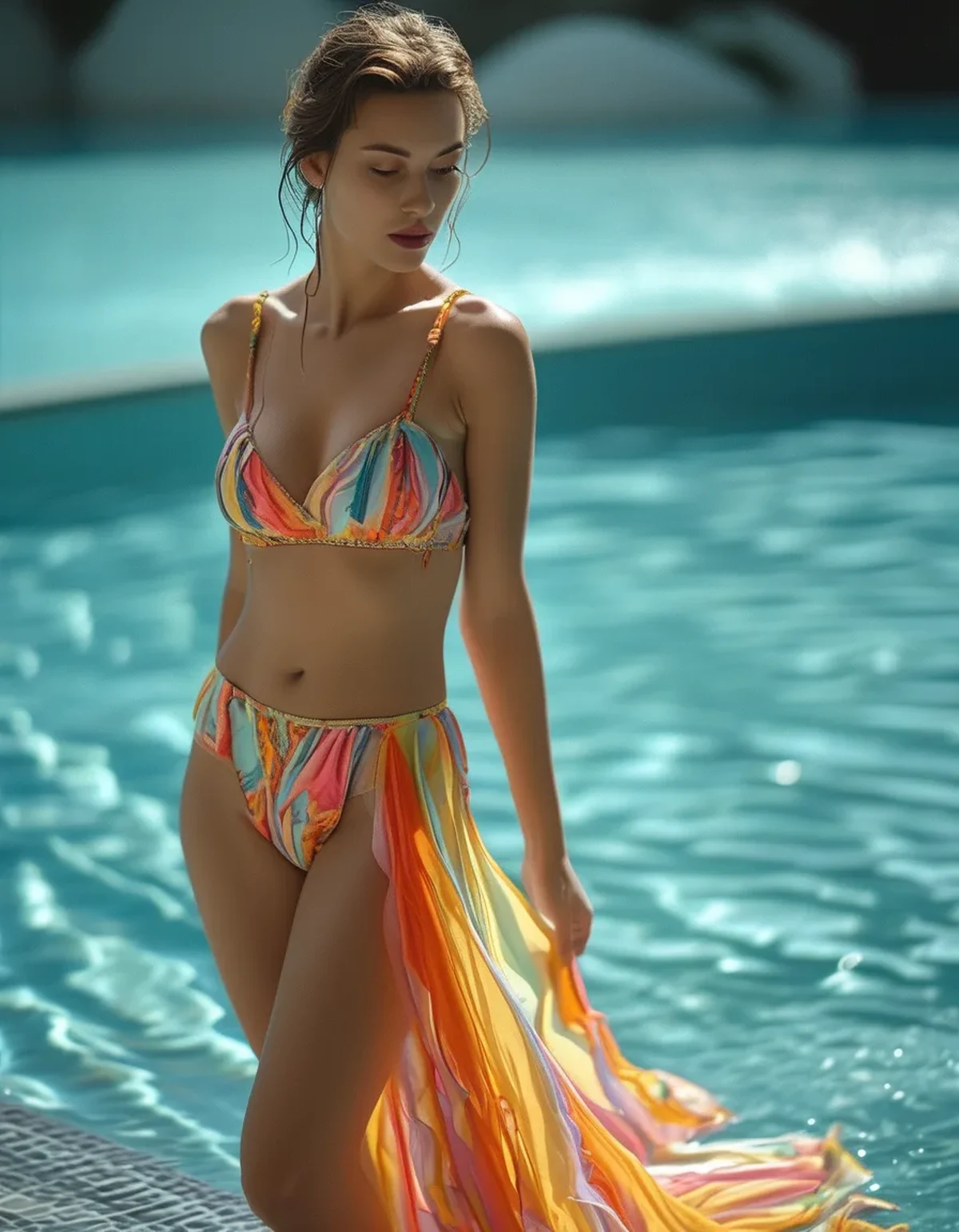
Why do some fabrics cling dramatically once wet while others barely change at all?
Natural and semi-synthetic fibers like rayon, viscose, and cotton absorb moisture readily, and as they absorb water, they lose the trapped-air loft that gives them their dry drape, causing them to flatten and cling to the body. Synthetic fibers like polyester and nylon absorb far less moisture, retaining more of their structure and shape even when splashed or damp, which is the core reason they resist the wet-cling effect so much more reliably.
Does fabric weave or texture matter as much as fiber content for this effect?
Yes, genuinely — a textured weave, like a crinkle, waffle, or slightly ribbed texture, holds its shape structurally even under moisture better than a completely smooth, flat weave in the same fiber content, since the texture itself provides some physical structure independent of trapped air alone. Combining a synthetic-heavy fiber content with a textured weave produces the most reliably cling-resistant result.
Is there a downside to choosing higher-synthetic-content fabrics purely for their wet-resistance?
Some synthetic fabrics can feel less breathable in hot, humid poolside conditions compared to natural fibers, so there’s a genuine tradeoff between wet-cling resistance and everyday breathability comfort. Fabric blends that combine a majority synthetic content with a smaller portion of natural fiber often provide a reasonable middle ground between these two priorities.

What’s a quick, practical way to check a specific piece’s likely wet behavior before buying?
Checking the fabric composition tag for polyester or nylon percentage, and looking for any added texture in the weave, provides a reasonably reliable prediction without needing to test the actual piece. For anything already owned, a small at-home dampening test on an inconspicuous area gives a direct, accurate answer before it matters poolside.
5 Mistakes People Make Choosing Poolside Outfit Fabric
Judging a piece purely by how it drapes dry — dry drape often has little relationship to wet behavior.
Ignoring the fabric composition label entirely — this single detail is the most reliable predictor available before purchase.
Assuming all lightweight, flowy fabrics behave the same wet — rayon and viscose cling far more than higher-synthetic blends.
Overlooking texture as a factor — a textured weave adds real structural resistance to clinging, beyond fiber content alone.
Choosing pure synthetic for wet-resistance without considering breathability — a blend often balances both priorities better than an extreme choice either way.
FAQ: Poolside Outfit Fabric Choices, Answered
Are there specific fabric blend ratios considered ideal for both wet-resistance and comfort?
Many poolside-specific pieces use roughly 80-90% polyester or nylon blended with a smaller elastane or natural-fiber portion, which is commonly cited as a solid balance point.
Does color affect how noticeable wet-clinging appears, separate from the fabric itself?
Yes — darker, solid colors tend to show less visible clinging and any resulting see-through effect than lighter or white fabrics, even with identical fiber content.
Is there a way to treat an existing favorite fabric piece to reduce its wet-clinging tendency?
Some fabric protectant sprays can modestly reduce water absorption on natural-fiber pieces, though they don’t fully replicate the performance of a genuinely synthetic-heavy fabric.
TL;DR:
- Synthetic-heavy fabrics like polyester and nylon absorb far less water and resist wet-clinging significantly better
- A textured weave adds structural resistance to clinging independent of fiber content alone
- Checking the fabric composition label before buying is more reliable than judging dry drape alone
- A fabric blend balances wet-resistance with the breathability pure synthetic fabric can sometimes lack
Avoiding the poolside wet-cling surprise comes down to one checkable detail before purchase — fabric composition — rather than any amount of guessing from how a piece drapes while still dry.
Keep Reading
This article is for general informational and styling purposes only. Fit, sizing, and product availability may vary.