The Poolside Cover-Up Mistake: Choosing Cute Over Quick-Dry (And Regretting It)
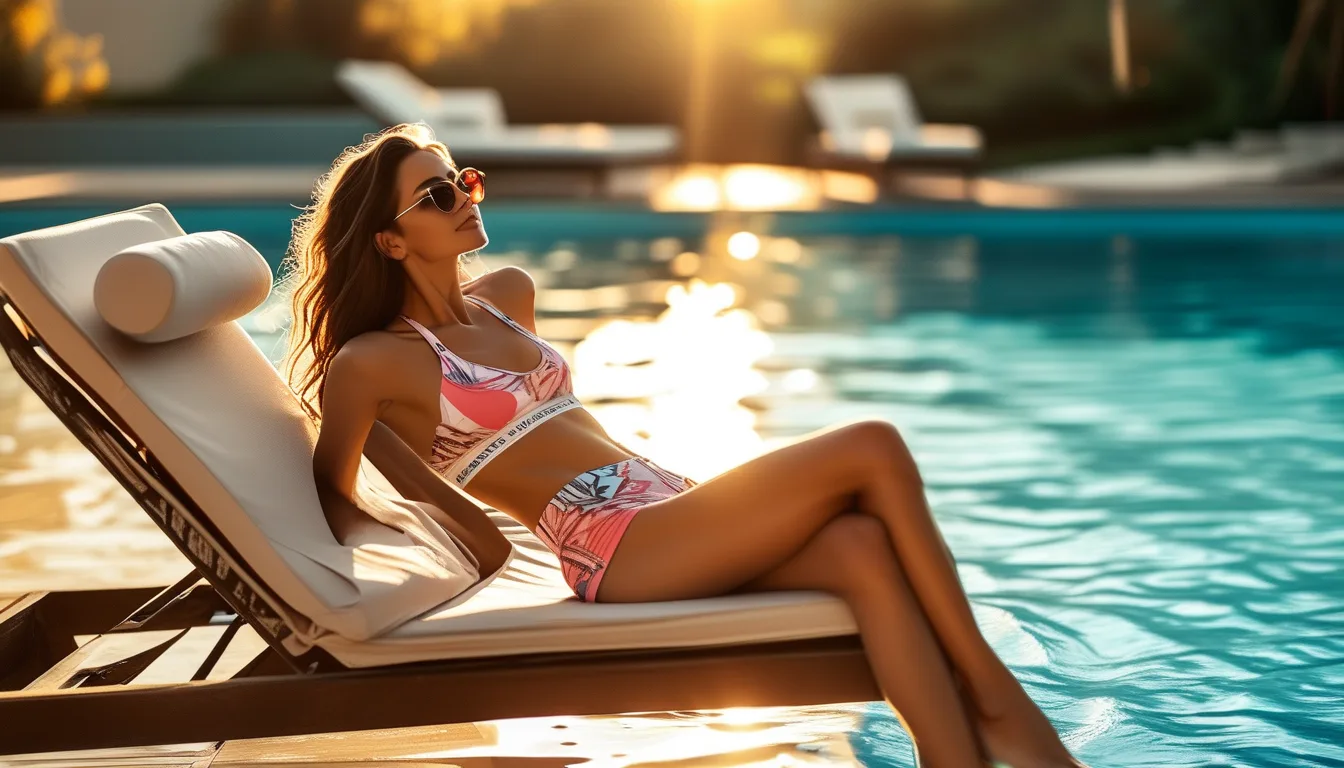
Quick Answer: Choose a lightweight, quick-dry fabric like a fine crochet knit, a technical linen blend, or a mesh-weave cover-up over heavier cotton gauze, which looks great dry but stays damp and clingy for a long time once wet. Style and fast-drying fabric aren’t mutually exclusive — it just narrows the fabric options.
The cover-up that looked perfect in the store often turns into a damp, clinging annoyance within twenty minutes of getting in and out of the pool — and it’s almost always a fabric problem, not a style one.
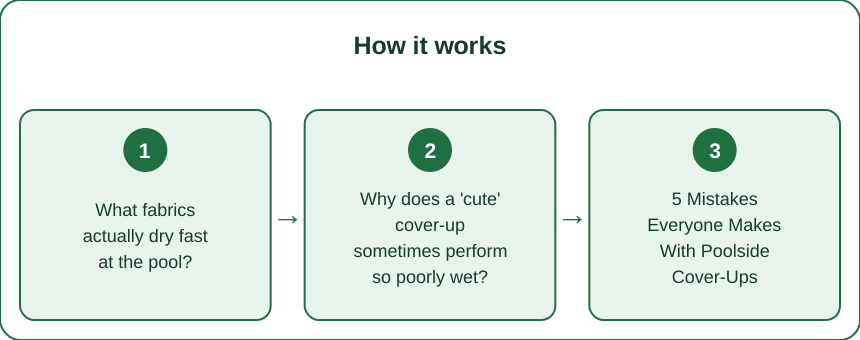
What fabrics actually dry fast at the pool?
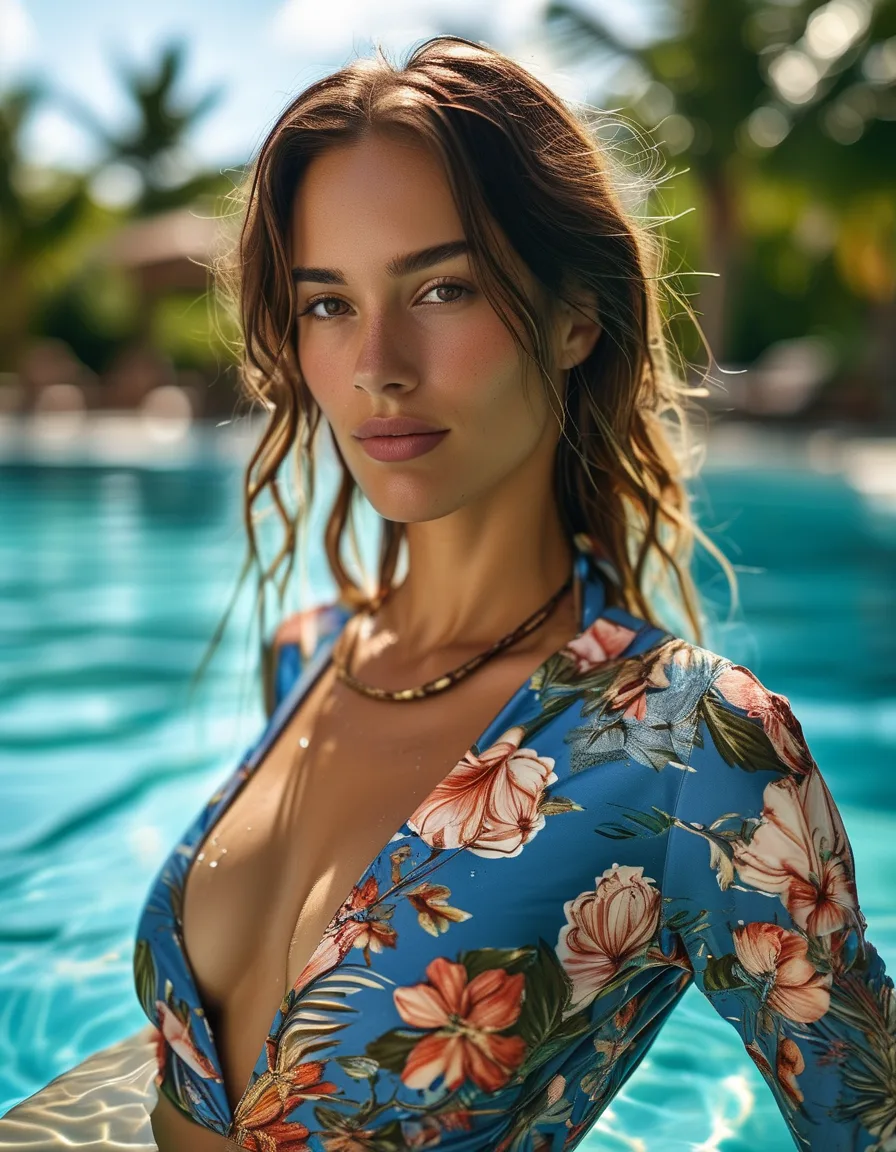
Fine crochet knits, technical linen blends, and mesh-weave fabrics all dry significantly faster than heavier cotton gauze or terry cloth, which hold water and stay clingy for much longer after even a quick dip.
A quick fabric check before buying — does it feel lightweight and slightly open-weave — predicts poolside performance better than the print or color does.
Why does a ‘cute’ cover-up sometimes perform so poorly wet?
Heavier, denser fabrics that photograph beautifully dry often absorb and retain more water, which is exactly the opposite of what you want between pool sessions. The same silhouette in a lighter, more open-weave fabric usually solves the problem without sacrificing the look.
5 Mistakes Everyone Makes With Poolside Cover-Ups
1. Choosing fabric based only on how it looks on the hanger, not how it performs wet.
2. Packing only one cover-up for a full pool day with multiple swims.
3. Ignoring how sheer the fabric becomes once wet — check this before, not after.
4. ForGetting sun protection — a cover-up isn’t automatically SPF-rated.
5. Choosing a color that shows water spots obviously — patterns hide this better than solid pastels.
Does color matter as much as fabric for a cover-up?
Somewhat — light solid colors show water spots and slight see-through moments more obviously than patterns or slightly darker tones. A pattern or a mid-tone solid handles the wet-and-dry cycle of a pool day more forgivingly than white or pale pastel.
FAQ: Poolside Cover-Up Questions, Answered
What’s the single fastest-drying cover-up fabric?
A fine, open crochet knit tends to dry fastest of the common cover-up fabrics, since air moves through the weave easily.
Are cover-ups automatically sun-protective?
No — check for an actual UPF rating if sun protection is a priority; many lightweight cover-ups offer minimal protection on their own.
Should I bring more than one cover-up to the pool?
For a full day with multiple swims, yes — a second lightweight option means you’re not stuck in a still-damp cover-up between sessions.
TL;DR:
- Choose crochet knit, technical linen, or mesh-weave fabric over heavy cotton gauze
- Heavier ‘cute’ fabrics often absorb and retain water longer than lighter ones
- Check sheerness when wet before buying, not after
- Bring a second cover-up for a full day with multiple swims
A cover-up can be both stylish and fast-drying — the fabric choice just needs to come before the print choice.
Keep Reading
This article is for general informational and styling purposes only. Fit, sizing, and product availability may vary.