Why Quick-Dry Fabric Matters More Than the Cut for a Great Poolside Outfit

Quick Answer: A poolside outfit built from quick-dry synthetic blends like polyester or nylon handles the wet-to-dry cycle of pool days far better than cotton, which absorbs water, clings uncomfortably, and takes much longer to dry between dips.
It’s easy to shop for a poolside look based purely on cut and color, but fabric composition is what actually determines how the outfit performs once it meets water.
Why does cotton perform so poorly at the pool specifically?
Cotton fibers absorb water into the fiber itself rather than letting it bead and evaporate, which means a cotton cover-up or shorts can stay damp and heavy for hours after a swim. This also makes cotton prone to clinging in unflattering ways once wet, unlike synthetic blends designed to move fluidly even against damp skin.
What fabric blends actually work best poolside?
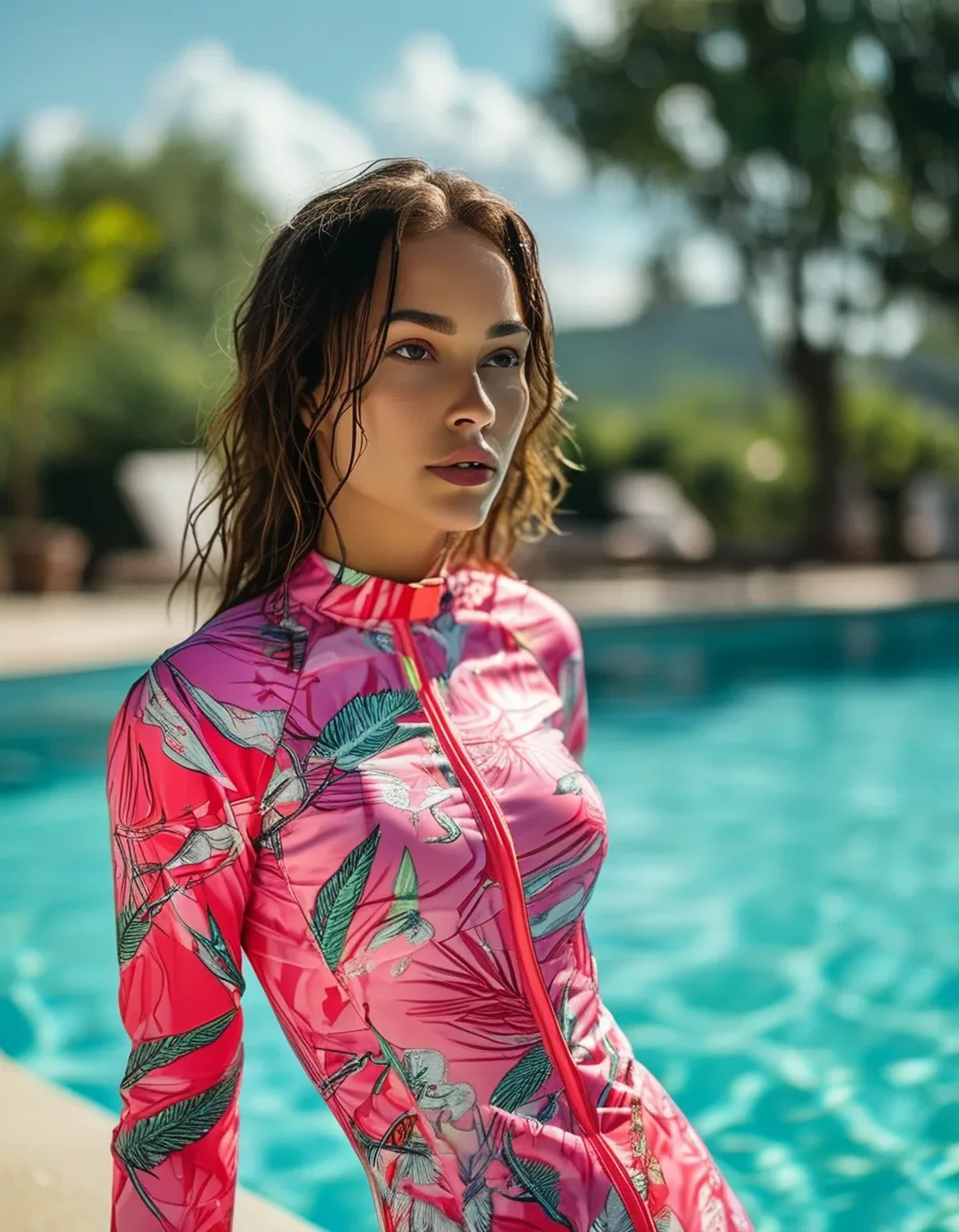
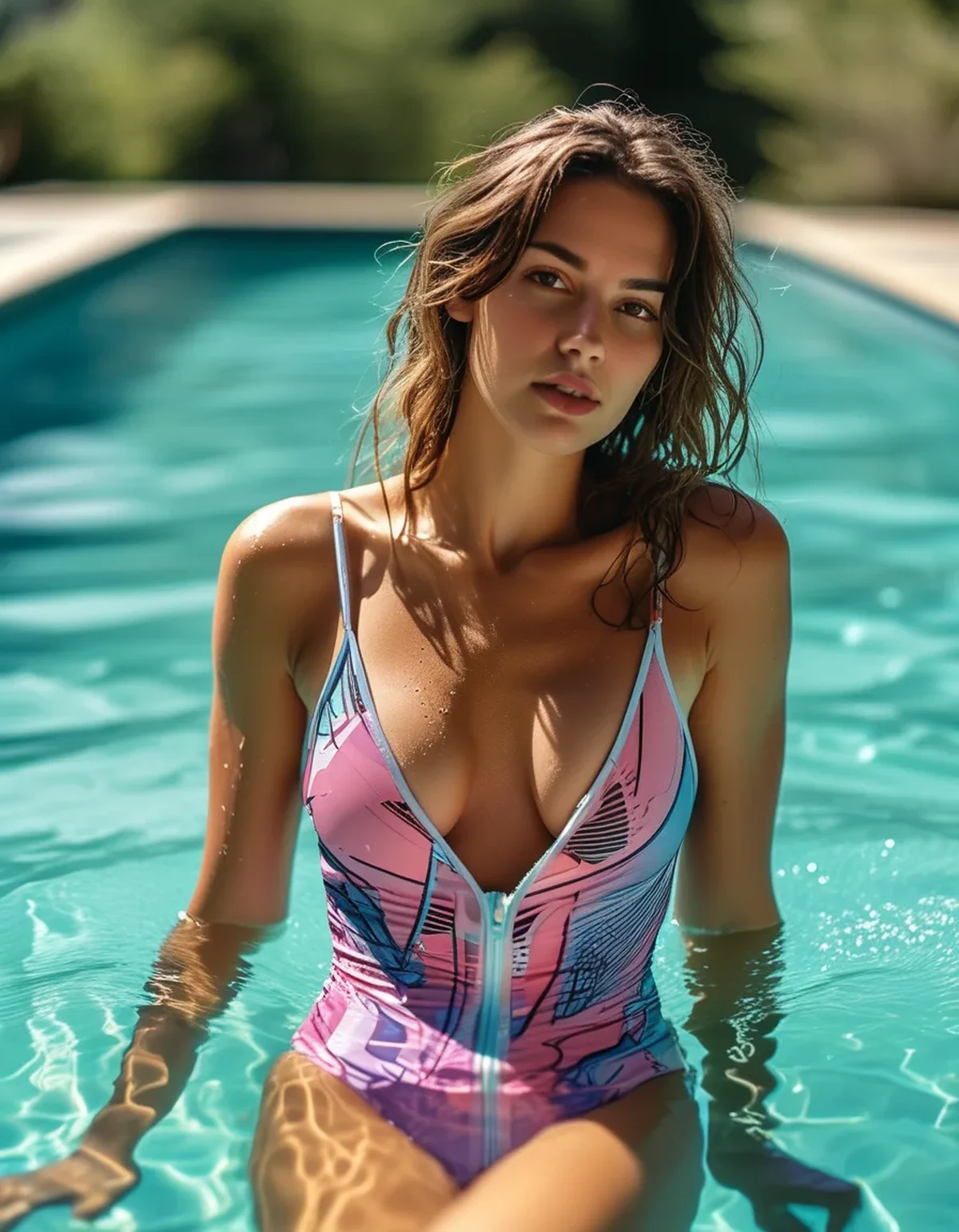
Polyester and nylon blends, especially those with a small percentage of spandex for stretch, dry significantly faster because the fibers don’t absorb water the way natural fibers do — moisture sits on the surface and evaporates quickly instead. These blends also tend to resist the fading and thinning that chlorine and sun exposure cause over a season of regular pool use.
Does this mean cotton has no place at the pool at all?
Not entirely — a cotton item works fine for the drive there or the walk home, when you’re dry and not planning to get wet again soon. The issue is specifically wearing cotton through the wet-dry-wet cycle of an actual pool day, where its slow drying time becomes a real comfort problem.
Myth vs Fact: Poolside Outfit Fabric
Myth: Any lightweight fabric works fine for poolside wear. Fact: Lightweight cotton can still absorb and hold water, unlike lightweight synthetic blends built for quick drying.
Myth: Fabric choice is mostly about how it looks, not function. Fact: For pool-day wear specifically, how a fabric handles moisture affects both comfort and how the outfit looks once wet.
Myth: All swim cover-ups use the same type of fabric. Fact: Cover-up fabric varies widely — checking the material tag before buying makes a real functional difference.
FAQ: Poolside Outfit Fabric Questions, Answered
How can I tell if a fabric is quick-dry without a label?
Rub a small section between your fingers with a bit of water — quick-dry synthetics tend to feel slightly slick or smooth, while cotton feels like it’s absorbing the moisture into the weave.
Do quick-dry fabrics fade faster in chlorine than cotton?
Generally no — polyester and nylon blends typically resist chlorine degradation better than natural fibers, which is an added benefit beyond drying speed.
Is spandex content important for poolside outfits?
A small percentage (around 5-10%) adds helpful stretch and shape retention, though too much can slow drying slightly compared to a pure polyester or nylon piece.
TL;DR:
- Cotton absorbs water into the fiber, staying damp and heavy for hours after a swim
- Polyester and nylon blends dry fast because moisture sits on the surface rather than soaking in
- Save cotton pieces for before or after the wet part of your pool day, not during it
- Quick-dry synthetics also tend to resist chlorine fading better than natural fibers
Next time you’re building a poolside look, check the fabric tag before the cut — it’s the detail that decides how the whole outfit actually feels by hour two.
Keep Reading
This article is for general informational and styling purposes only. Fit, sizing, and product availability may vary.