Why Your Poolside Bag Is Falling Apart Faster Than Your Actual Swimsuit

Quick Answer: Most poolside bags are labeled ‘water resistant,’ not waterproof, which means they’re built to handle splashes, not sustained contact with a dripping wet swimsuit and towel sitting inside them for hours — that repeated damp exposure breaks down glue seams, hardware, and fabric coating far faster than the sun or chlorine most people blame instead.
You replace your swimsuit because chlorine faded it — but the bag falls apart from something else entirely, and it’s usually not the thing on the care label you’d expect.
Why does a bag marketed for the pool actually fail from pool use so quickly?
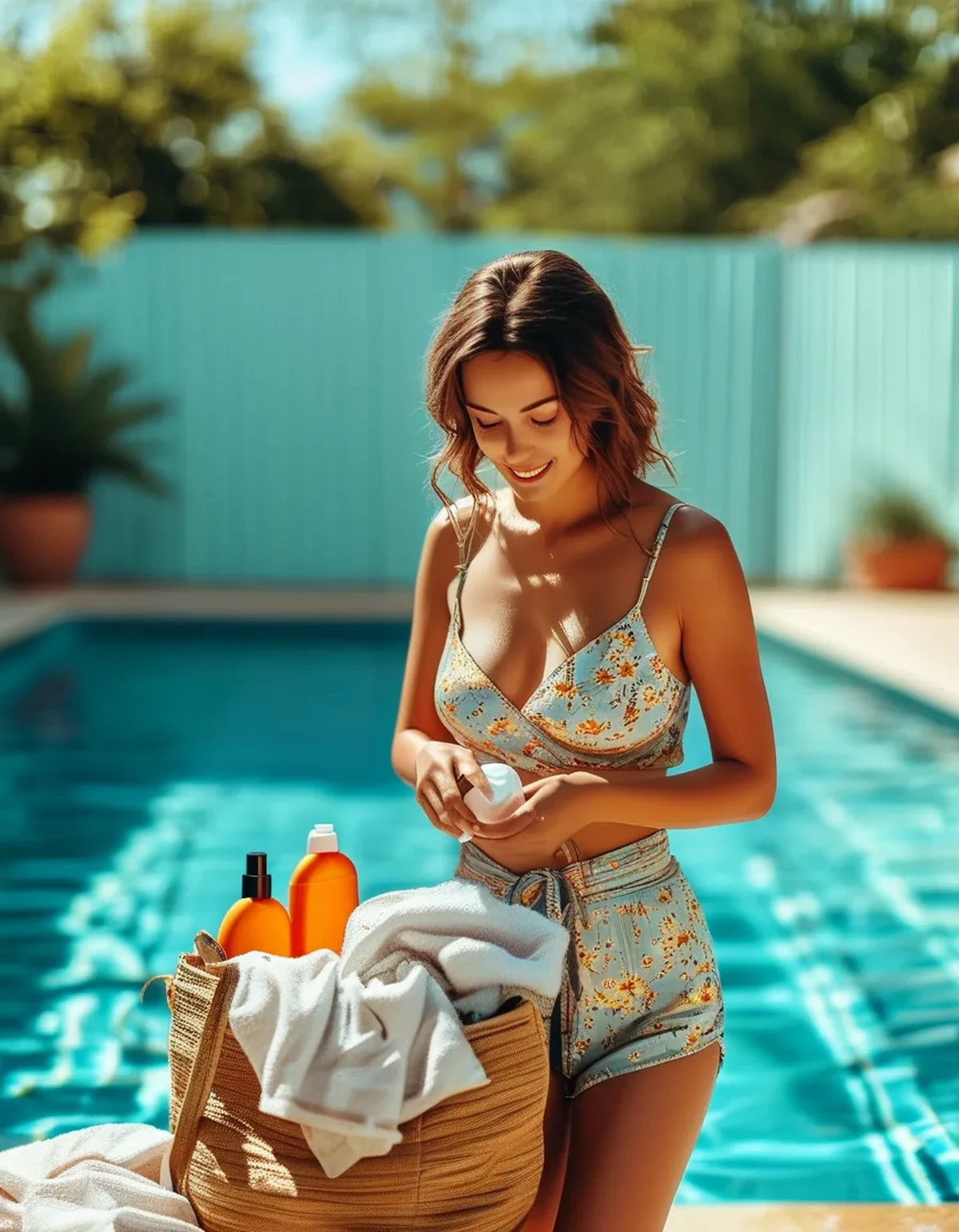
‘Water resistant’ bags are built to shed light splashes, not to hold a dripping wet swimsuit and towel against the interior lining for hours at a time, which is exactly how most people actually use a poolside bag. That sustained damp contact breaks down glued seams and fabric coatings in a way brief splash exposure never would, which is why the bag often looks worn out well before the swimsuit does.
Is there an actual meaningful difference between waterproof and water-resistant for this specific use case?
Yes — waterproof construction (sealed seams, fully coated fabric) is built to handle sustained saturation, while water-resistant construction is only treated to slow water absorption temporarily — for a bag that regularly holds wet items rather than just getting rained on, that distinction determines how long the bag actually lasts, not just how it performs in a single afternoon.
Does hardware (zippers, clasps) fail for the same reason?
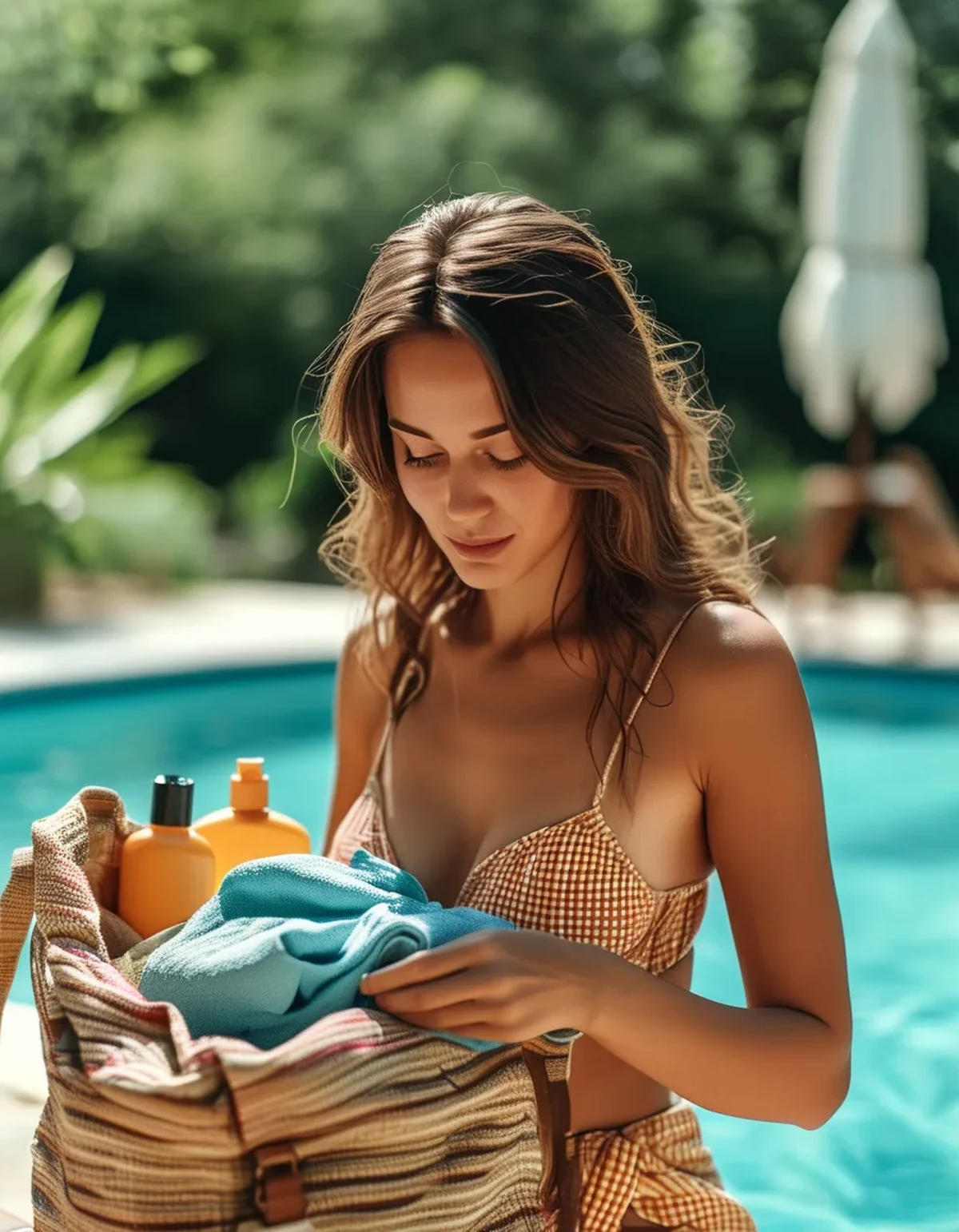
Often, yes — metal hardware exposed to a chlorine-damp environment for extended periods is prone to corrosion faster than hardware that only gets occasionally splashed, which is why zippers on poolside bags commonly stick or corrode well before the fabric itself shows major wear, especially on bags without corrosion-resistant hardware.
Would a separate wet bag or pouch inside actually solve this?
Generally, yes, and it’s a commonly recommended fix — using a dedicated waterproof interior pouch for the wet swimsuit and towel isolates the sustained moisture from the bag’s main lining and hardware, letting a stylish but only water-resistant bag last considerably longer since it’s no longer absorbing hours of direct wet contact.
FAQ: Poolside Bag Durability, Answered
Does letting a wet bag air dry fully between uses actually extend its life?
Yes — allowing full drying between uses reduces the cumulative damp exposure that breaks down glue and coatings, even if the bag isn’t waterproof.
Are canvas or straw poolside bags worse for this than synthetic ones?
Generally yes — natural fibers like canvas and straw tend to absorb and hold moisture more than treated synthetic fabrics, making them more prone to this specific wear pattern.
Is it worth paying more for a genuinely waterproof poolside bag?
If the bag regularly holds wet items directly, a true waterproof option is often worth the extra cost, since it addresses the actual failure point rather than just looking pool-appropriate.
TL;DR:
- Most poolside bags are water-resistant, not waterproof, and can’t handle sustained wet contact well
- Sustained damp exposure from a wet swimsuit breaks down seams and coatings faster than sun or chlorine
- Hardware corrosion from prolonged damp exposure is a separate, common failure point
- A separate waterproof interior pouch for wet items meaningfully extends a stylish bag’s life
It’s not a cheaply made bag — it’s the wrong bag for how it’s actually being used, and a five-dollar wet pouch usually fixes the real problem.
Keep Reading
This article is for general informational and styling purposes only. Fit, sizing, and product availability may vary.